ChatGPT Mobile Gets Voice-Based Agentic Workflows — and the Phone Becomes an AI Command Center
OpenAI brings voice-triggered agentic features to ChatGPT's mobile app, letting Plus and Pro users draft documents, summarize Slack, and build sites by speaking.
3 min read
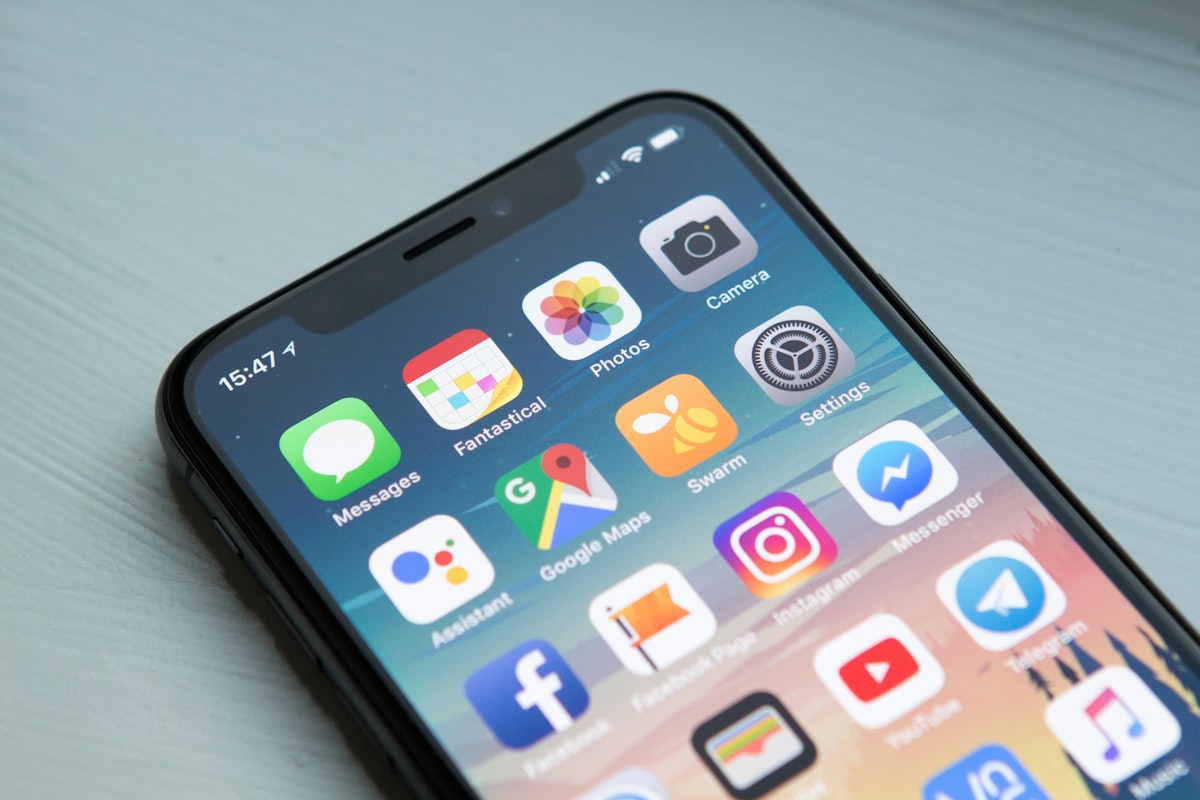
OpenAI announced on September 23, 2026, that it is bringing voice-based agentic features to ChatGPT's mobile app — a move that transforms smartphones from chat interfaces into hands-free AI workstations.
What Launched
Plus and Pro subscribers can now use the Work tab on their phones to:
- Create documents by voice command
- Draft emails without typing
- Summarize Slack messages across channels
- Build websites through spoken instructions
- Create presentations on the go
- Access finances and other connected services in ChatGPT
Free and Go tier users get access to plugins and connected apps, though the full agentic Work tab features are reserved for paying subscribers.
Voice Gets Richer
Beyond task execution, OpenAI improved the voice experience itself:
- Voice conversations now produce richer text output alongside spoken responses
- Users can switch between text and voice seamlessly within a session
- Conversations started on mobile can be resumed on desktop without losing context
The feature builds on GPT-Live, OpenAI's conversational model launched in July 2026, which was previously integrated into the desktop app's Work and Codex tabs.
Why Mobile Matters
Desktop AI assistants are powerful, but mobile is where habit forms. The average professional checks their phone dozens of times per day. If voice becomes the default way to delegate work to AI — summarize this thread, draft that reply, build this deck — the phone stops being a distraction and becomes a productivity multiplier.
OpenAI is betting that an increasing number of users will turn to voice for complex tasks, not just simple queries. The data from GPT-Live's desktop rollout likely supported this bet.
The Competitive Landscape
Anthropic has been moving in a similar direction. The company recently made handoff between mobile and desktop easier and merged its Cowork and Chat interfaces into a more unified experience. But OpenAI is keeping chat and workspaces separate — a design choice that preserves focused environments for different task types.
Google, meanwhile, is shipping Gemini 4 with DeepMind's post-training refinement underway, suggesting a major mobile AI push is imminent from Mountain View as well.
What This Means for Users
For professionals, the practical implications are significant:
Commute time becomes work time. Voice-based document drafting and email composition during transit is now a first-class feature, not a hack.
Multitasking gets safer. Hands-free AI interaction means you can delegate tasks while cooking, walking, or in meetings where typing would be inappropriate.
The learning curve shifts. Users who have been hesitant to adopt AI workflows because of typing friction now have a lower barrier.
What This Means for the Industry
The mobile agentic rollout signals several broader trends:
- Voice is becoming a primary interface, not a secondary one
- Agentic AI is moving from demo to daily utility for paying subscribers
- Cross-device continuity is a competitive requirement, not a nice-to-have
- The subscription tiers are diverging — agentic features are the new premium differentiator
Looking Ahead
OpenAI's mobile agentic features are available now for Plus and Pro users. The question is whether voice-driven workflows become as natural as texting — and whether competitors can match the integration depth before user habits lock in.
One thing is clear: the phone is no longer just a screen for reading AI responses. It is becoming the microphone through which work gets done.

Comments
Loading comments…