Google Buys Crusoe's Wyoming Data Center Site After Independent Build Stalls
Crusoe sold its unfinished Wyoming campus to Google for a reported $17 billion expansion plan, highlighting how hard it is to deliver gigawatt-scale AI sites alone.
8 min read
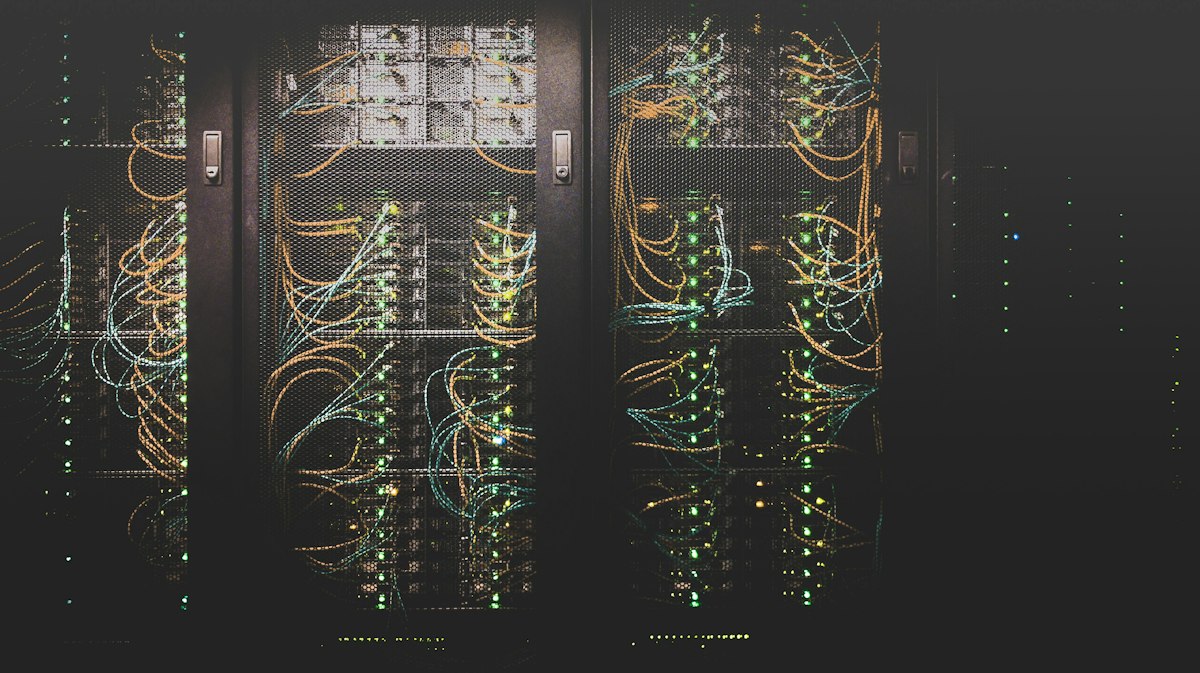
The scramble to secure land, power, and fiber for artificial intelligence has produced another pivot: Crusoe confirmed that Google acquired its unfinished data center site in southeast Wyoming, taking over a project that was once marketed as a flagship example of independent developers challenging hyperscaler buildouts. Google said it plans to invest roughly $17 billion to develop the campus, a figure that underscores how expensive it has become to turn prairie plots into gigawatt-class compute factories.
TechCrunch and industry trades reported that Crusoe had struggled to align timelines and costs with Google's expectations, despite earlier announcements with Tallgrass Energy that envisioned scaling toward ten gigawatts. The transaction, disclosed on November 6, did not include a purchase price, but the strategic signal is clear. When timelines slip and capital stacks wobble, the largest cloud buyers can absorb assets rather than wait.
Why Wyoming mattered in the land rush
Wyoming offers combinations of cool nights, political enthusiasm for energy projects, and proximity to transmission upgrades that matter for high-density racks. Crusoe's pitch blended stranded gas narratives with renewable partnerships, a story tailored to investors who wanted exposure to AI infrastructure without owning chips directly. For Google, owning the dirt removes a layer of counterparty risk and lets planners synchronize substation work with building permits on one ledger.
Local officials often welcome these projects because they promise tax revenue and skilled jobs, yet residents increasingly ask about water use and grid stability. The Google takeover may accelerate construction, but it will not quiet community scrutiny. Expect hearings about peak load and backup generation to continue.
The independent developer bottleneck
For years, analysts predicted a fragmented market of specialists who would lease capacity to multiple tenants. Reality in 2026 looks more centralized. Power purchase agreements, transformer lead times, and interconnection queues favor organizations that can post billion-dollar letters of credit. Crusoe remains active—reports note another Google-related campus near Amarillo, Texas—but the Wyoming handoff shows that even well-funded independents can stumble when a single anchor tenant hesitates.
Developers evaluating new regions should model anchor risk explicitly. If your business plan requires one hyperscaler to occupy eighty percent of capacity on day one, you are not diversified; you are an option contract.
Google's capital deployment logic
Alphabet already spends at unprecedented levels on tensors and networking. Buying a partially developed site can be cheaper than starting environmental reviews from scratch, especially when competitors are bidding the same substations. The $17 billion figure likely spans years and includes substations, water treatment, and fiber backhaul, not just shell buildings.
Investors watching Google parent earnings should track how management discusses returns on these assets. Are they accounted as internal cloud supply or as real estate investments with third-party lease potential? The accounting story influences how Wall Street values the AI buildout relative to advertising cash flows.
Crusoe's investors and valuation context
Crusoe was recently valued near $30.9 billion in private markets—a large number for a developer, yet tiny compared with the capex required to finish Wyoming alone. Selling the site to Google may protect equity holders from further cost overruns while preserving relationships for Texas projects. Private credit funds that backed early dirt options will parse covenants to see whether milestones triggered penalties or redeployment rights.
For founders in climate tech adjacencies, the lesson is that AI demand can rescue or reorder energy narratives overnight. Gas mitigation stories become load growth stories when transformers finally arrive.
Supply chain echoes in chips and packaging
Data centers do not exist in isolation. NVIDIA and other vendors increasingly finance packaging expansions and customer balance sheets, as reported in infrastructure newsletters this weekend. When Google internalizes site risk, it may also lock in rack architectures earlier, reducing optionality for alternate accelerator vendors. That has geopolitical angles given export controls on advanced GPUs.
Operators should plan heterogeneous halls where feasible. Regulatory shifts can make a single-vendor hall a stranded asset if compliance rules change faster than depreciation schedules.
Political pressure and moratorium calls
The same week brought renewed calls from elected officials for national pauses on data-center approvals, citing grid strain and water usage. Google acquiring Wyoming acreage will attract questions about whether consolidated ownership speeds responsible design or simply concentrates environmental impact. Company communications teams should prepare transparent sustainability metrics before opponents frame the narrative first.
Texas as the parallel storyline
MIT Technology Review and other outlets noted that Texas has been the fastest-growing data-center market in the United States, yet political shifts after recent elections may alter permitting appetite. Google and Crusoe still collaborate near Amarillo, suggesting the partnership is strategic, not broken. Observers should watch whether Texas projects benefit from lessons learned in Wyoming scheduling fights.
Grid operators in ERCOT already manage record demand growth. Any new campus must show credible peak shaving and demand response participation or risk becoming a lightning rod in Austin hearings.
What enterprises should expect from capacity markets
If hyperscalers own more dirt outright, enterprise buyers renting colocation may see fewer neutral-host options in prime power zones. That could push workloads back toward cloud regions with mature networking rather than bespoke private halls. FinOps teams should revisit latency requirements before signing long-term bare-metal deals tied to young campuses.
Security and physical resilience
Owning a site end-to-end lets Google standardize perimeter controls, guard staffing, and biosphere policies for sensitive maintenance. That matters as nation-state actors probe supply chains. Independent operators can achieve similar standards, but only with mature playbooks. Crusoe's exit from Wyoming does not imply security failures; it reflects financial engineering.
Still, CISOs colocating gear should verify who owns incident command after acquisitions. Change-of-control clauses in contracts should trigger notifications automatically.
Environmental reporting expectations
Large tech firms face science-based target commitments. A Wyoming winter-cooling advantage does not eliminate emissions if grid mix includes coal baseload. Google will likely publish power purchase agreement details to defend the project. Watch for hourly matching claims versus annual certificates; the difference matters to regulators in Europe and increasingly in U.S. states.
Takeaway for the AI infrastructure beat
This deal is a case study in vertical integration moving down the stack from chips to dirt. It rewards patience and balance-sheet scale while squeezing mid-sized developers who lack diversified tenant rosters. Crusoe survives to fight in Texas, but the Wyoming outcome will appear in every infrastructure investor deck this quarter.
For readers tracking the CTRL beat, file this under structural consolidation: the AI land rush is maturing from speculative options to owned assets controlled by the same companies that write the models.
How utility planning interacts with fiber backhaul
Independent developers often secure land options months before transmission upgrades finish. Engineers negotiating with rural cooperatives learn that transformer lead times measured in years can outlast venture fund lifespans. Google's decision to purchase a stalled campus lets planners restart schedules with a single signature block rather than tri-party calls between financiers, power authorities, and prospective tenants.
Network architects should note that fiber diversity matters as much as megawatts. A site without carrier-neutral meet-me rooms forces tenants into expensive long-haul extensions. Hyperscalers buying land typically simultaneously announce dark fiber partnerships. Colocation buyers evaluating secondary markets should ask for path diversity maps before signing deposits.
Workforce and apprenticeship pipelines
Mega-projects promise hundreds of permanent roles—security, facilities, network operations—but only if local training programs keep pace. Community colleges near Amarillo, Texas, and Cheyenne-adjacent towns already advertise certification tracks for data-center technicians. Google's ownership may accelerate partnerships with unions and trade schools, especially if federal infrastructure grants attach workforce conditions.
Economic development officers pitching their states should prepare credible housing plans. Boomtown rents can spike when construction crews arrive before apartments break ground.
Insurance, bonding, and counterparty due diligence
Lenders backing independent developers require performance bonds and delay-of-start penalties. When anchor tenants hesitate, covenant breaches can cascade. Corporate acquisitions by hyperscalers often trigger reassignment clauses in construction contracts. Risk managers at enterprises colocating in transitioning sites should verify that insurance policies transfer cleanly and that business interruption riders cover contractor insolvency.
Water stewardship in high-desert environments
Wyoming's climate helps free cooling, yet water rights remain politically sensitive. Tech firms face increasing demands for closed-loop designs and treated wastewater reuse. Environmental groups compare annual consumption figures across campuses. Transparent reporting builds license to operate when drought cycles return.
Comparison with Brookfield–Qatar AI venture activity
Infrastructure newsletters also tracked Brookfield and Qatar's AI venture acquiring Drax's data-center campus, illustrating global capital racing toward the same bottleneck Google addressed by buying Wyoming dirt. Sovereign wealth and pension giants may tolerate longer payback periods than venture-backed developers. The competitive set is broader than Silicon Valley headlines suggest.
What to watch in the next earnings calls
Analysts should listen for mentions of owned versus leased capacity, interconnection capitalized versus expensed, and comments about curtailing speculative third-party projects. Any hint that Meta, Amazon, or Microsoft prefer outright land ownership will ripple through real-estate trusts marketing powered shells.
Reader checklist for enterprise infrastructure leads
Confirm your primary cloud regions have upgrade headroom for the next three years. Map single points of failure if you rely on one geographic hub tied to a young campus. Negotiate migration credits before you need them. Document cooling and power redundancy assumptions in business continuity plans. The Wyoming handoff is a reminder that capacity is physical before it is elastic.


Comments
Loading comments…