Meta's 2026 Hardware Blitz: VR Glasses, Muse Charm, and the Post-Smartphone Bet
Meta unveiled VR Glasses, updated Ray-Ban smart glasses, and teased the Muse Charm — doubling down on AI-integrated hardware despite mounting privacy concerns.
3 min read

Meta used the final days of September 2026 to launch one of its most ambitious hardware lineups in years — a coordinated push spanning VR headsets, smart glasses, audio wearables, and a mysterious screenless AI companion device. The announcement positions Meta not just as a social media company with AI features, but as a hardware platform betting that the smartphone's dominance is ending.
Meta VR Glasses: Entertainment-First AR
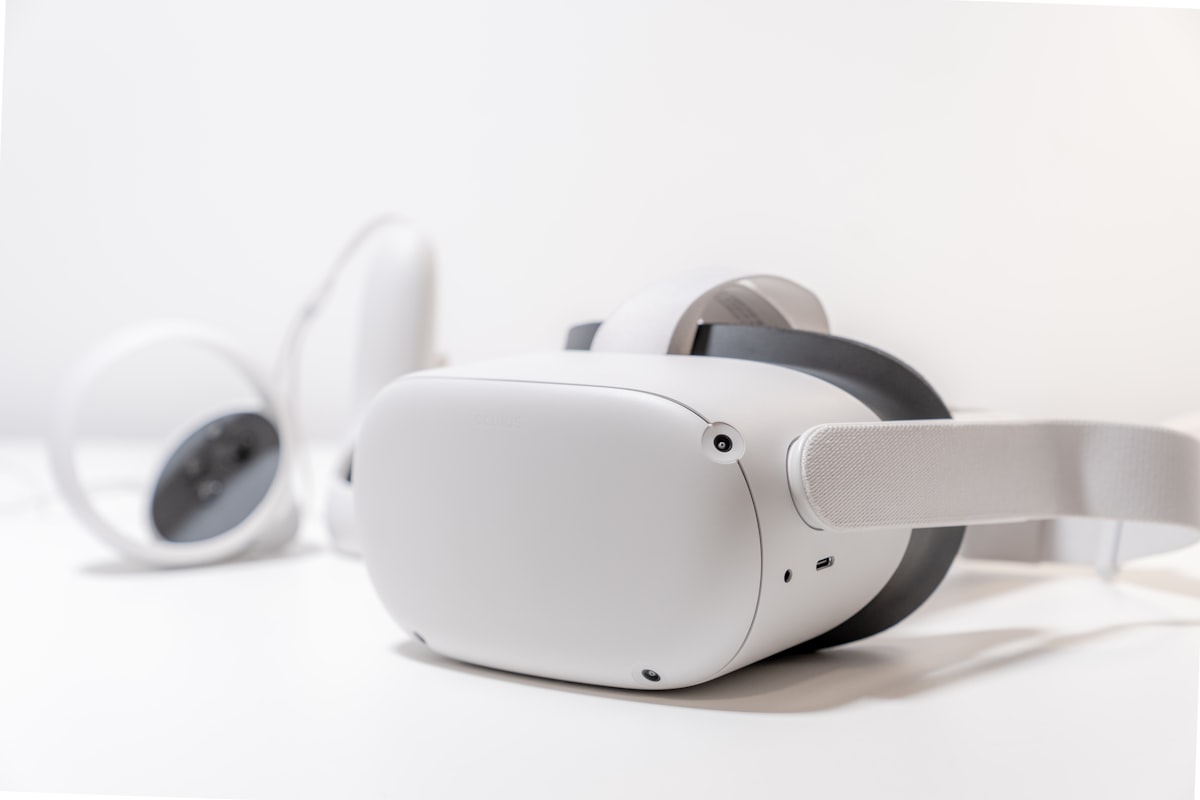
The headline product is Meta VR Glasses, featuring a 5K micro-OLED display and integrated cameras that project apps, games, movies, and AI interfaces into the wearer's field of view. Priced at approximately $1,850 (US list: $1,299.99), they are scheduled for early 2027 release.
Meta is positioning the device primarily as an entertainment platform — IMAX-scale viewing, Dolby Vision, Dolby Atmos, live sports, gaming, and 3D content. The strategy deliberately avoids Apple's approach with Vision Pro, which launched at a price point that limited adoption and reportedly led Apple to cut production.
The competitive field is crowded: Samsung's Galaxy XR, Snap's Specs, and rumored Apple smart glasses for 2027 all target overlapping use cases.
Ray-Ban Meta Updates
Meta's smart glasses portfolio received a significant refresh:
- Third-generation Ray-Ban Meta glasses with updated frames shipping from October 13
- Meta Ray-Ban Display AR glasses with enhanced display capabilities
- Ray-Ban Meta Audio — a camera-free variant retaining speakers and microphones for music, calls, and voice-driven Meta AI interaction
The Audio model is strategically interesting. It offers AI assistant access without the surveillance concerns attached to camera-equipped wearables — a potential middle ground for privacy-conscious consumers who still want ambient AI.
Muse Charm: The Screenless Wildcard
CEO Mark Zuckerberg teased the Muse Charm, described as a "delightful and fun device" designed to connect users with Meta's Muse AI agent. Details remain sparse, but the concept aligns with industry-wide exploration of screenless, always-present AI companions.
Muse itself launched on September 8 as Meta's proactive personal AI agent, handling email, bookings, and everyday tasks across free ($0), standard ($20/month), and premium ($100/month) tiers. The Charm hardware would extend Muse beyond phone and glasses form factors.
Privacy Headwinds
Meta's hardware push arrives amid intensifying privacy scrutiny. Regulators and advocacy groups have raised concerns about always-on cameras, ambient audio capture, and the data flows required to power persistent AI agents.
The company's response has been to emphasize user control and on-device processing where possible — but skeptics note that meaningful AI assistance often requires cloud inference, creating inherent tension between capability and privacy.
Ray-Ban Meta Audio represents one acknowledgment of that tension: removing the camera while keeping the AI interaction layer.
The Competitive Clock
OpenAI's DevDay 2026, happening the same week, is widely expected to include persistent agent announcements that compete directly with Muse. Meta's three-week head start in shipping Muse as a product — not just a demo — gives it early user data and feedback loops.
Hardware, however, is Meta's structural advantage over pure software AI companies. OpenAI can announce agents; Meta can put them in glasses, pendants, and audio frames that stay on the body.
What to Watch
- Adoption metrics for Muse tiers — whether users pay $100/month for premium proactive AI
- Regulatory response to camera-equipped wearables in public spaces
- Developer ecosystem — whether Meta opens Muse to third-party integrations at scale
- Apple's response — rumored 2027 smart glasses could reset the premium segment
Meta's September 2026 launch is a declaration: the company intends to own the physical interface layer for AI, regardless of which model powers the intelligence underneath.






Comments
Loading comments…