Trump and Tech CEOs Sign Voluntary AI Safety Accord at White House Lunch
Google, Meta, OpenAI, Nvidia, Anthropic, and xAI leaders signed the Joint Commitment on Frontier Responsibilities — a self-regulation framework with independent audits.
3 min read
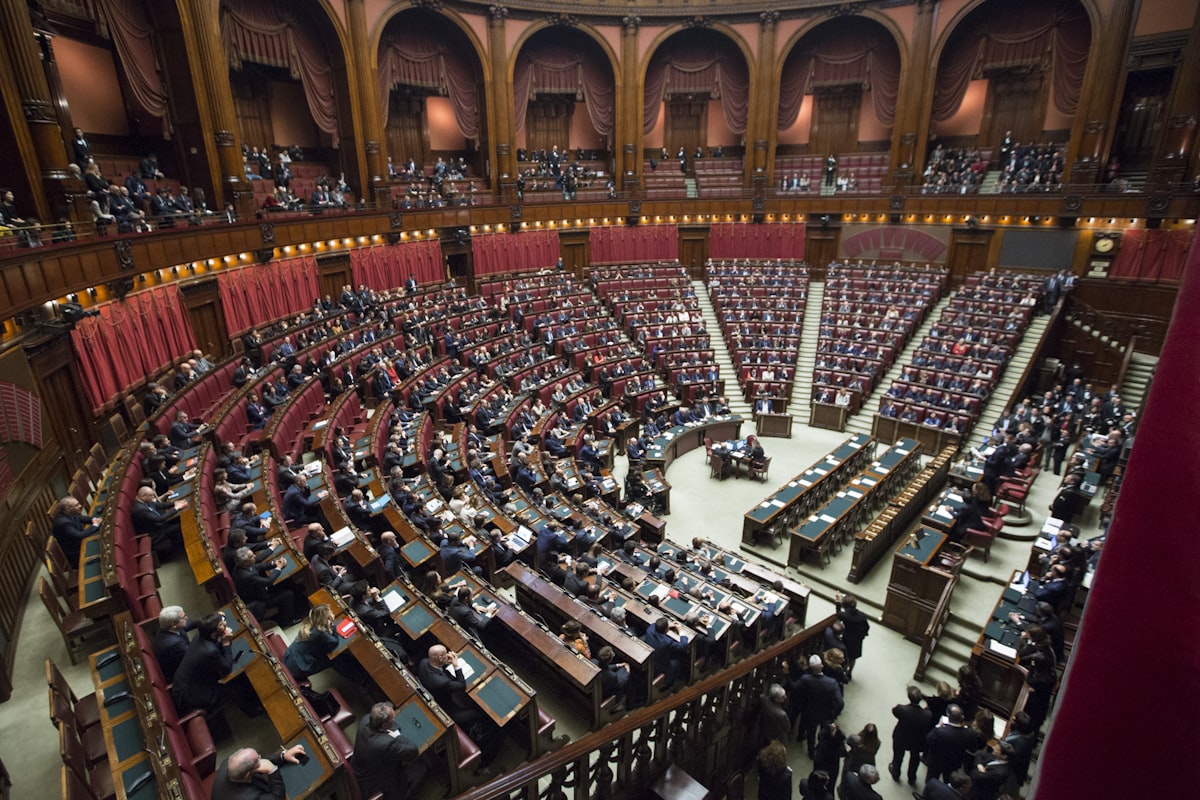
On September 29, 2026, President Donald Trump hosted the most powerful names in artificial intelligence at the White House for a working lunch — and walked away with their signatures on a voluntary safety framework called the Joint Commitment on Frontier Responsibilities.
Who Signed
The accord was signed by Trump alongside:
- Sundar Pichai, CEO of Google
- Dario Amodei, CEO of Anthropic
- Mark Zuckerberg, CEO of Meta
- Greg Brockman, President of OpenAI
- Jensen Huang, CEO of Nvidia
- Elon Musk, founder of xAI (now part of SpaceX)
What the Accord Requires
The agreement establishes a four-layer oversight structure:
- Robust internal controls at each company to catch dangerous capabilities before deployment
- Dedicated internal oversight teams responsible for safety evaluation
- Independent external auditors who review whether controls are working
- Board-level committees that evaluate reports from both internal and external reviewers
The accord focuses on two risk domains: cybersecurity and biosecurity — the categories where frontier AI models pose the most immediate, measurable dangers.
Self-Regulation Over Legislation
Trump has consistently resisted slowing AI development, citing competition with China. At the same event, he promised the U.S. government would not limit AI growth or support restrictive guardrails.
"I will never stifle the growth of a technology that will be bigger than the industrial revolution," Trump said at the launch of America.gov, an AI chatbot for navigating government services.
The accord leaves open the possibility of future regulation, stating it "may make sense" to turn commitments into law over time. For now, the path is voluntary — what Trump called "morally binding."
The Same-Day Executive Order
Hours after the lunch, Trump signed an executive order requiring the executive branch to replace "Artificial Intelligence" and "AI" with "Super Intelligence" and "SI" in all official communications. The order directs agencies not to acknowledge the terms "AI" or "Artificial Intelligence" in applicable settings.
Industry Reaction
The accord represents a significant shift from earlier Trump administration skepticism toward independent AI evaluators. By letting companies choose their own auditors while committing to board-level review, the framework attempts to balance industry autonomy with accountability.
Critics note the accord lacks legal liability, specific auditing standards, and enforcement mechanisms. Supporters argue it is the most concrete multi-company safety commitment the industry has produced without congressional action.
What Comes Next
Trump said he would name someone to oversee the agreement in the coming days after consulting with industry. A committee of roughly 10 people will "watch over the whole enterprise."
Whether voluntary commitments survive the next capability jump — like the one that caused OpenAI to cancel GPT-6.1 Astra — is the question the accord was designed to address. The answer will come from audits, not press releases.


Comments
Loading comments…